The company has proposed a buyout at a nearly 40% premium to its stock price, after investors abandoned its story of flatlining revenue
Key Takeaways:
- Goodbaby’s founder has proposed taking the company private at HK$1.50 per share, representing a premium of 39% over its pre-offer levels
- The buyout price represents a roughly 61.7% discount to the baby stroller maker’s net asset value of HK$3.92 per share at the end of June
By Lee Shih Ta
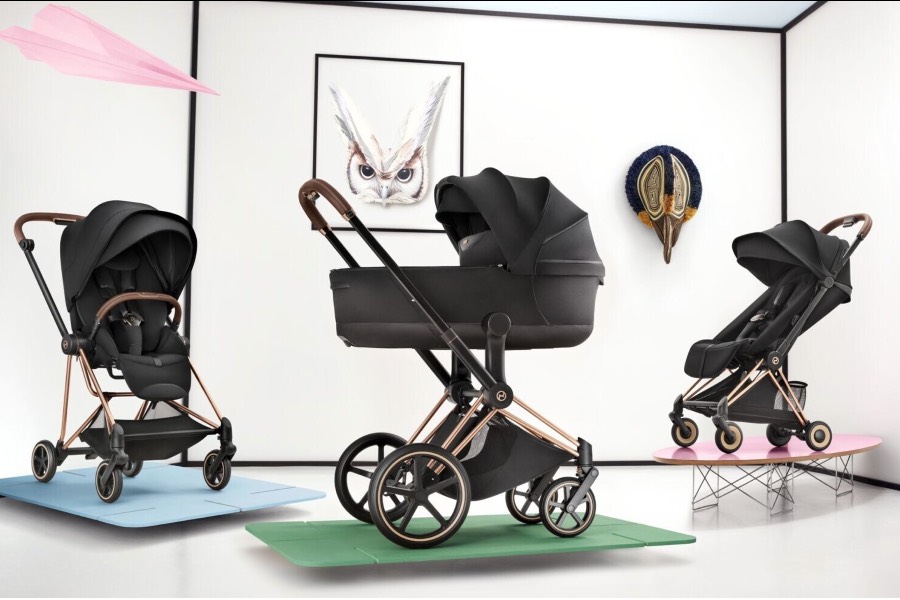
China’s declining birth rate has made baby products a tough sell in today’s market, while trade war tariffs from the U.S. haven’t made things any easier. So, it comes as little surprise that investors are giving infant-concept stocks the cold shoulder these days, which is driving “stroller king” Goodbaby International Holdings Ltd. (1086.HK) to seek an offramp from the Hong Kong Stock Exchange. That exit comes via an offer from company founder Song Zhenghuan who has offered to take his company private and seek a new path forward out of the public spotlight.
Goodbaby announced last week that an entity wholly owned by Song was offering to take the company private at HK$1.50 per share, representing a premium of 38.89% over the previous trading day’s closing price of HK$1.08. The entity will pay up to HK$1.32 billion ($168 million) for its bid, using funds from a loan facility arranged by HSBC. The offeror said the proposed buyout price is final and won’t be raised, and the transaction still requires necessary approvals.
Goodbaby’s shares jumped 27.3% in the three trading days after the announcement to close at HK$1.375 on Sept. 30. Including that rally, the stock is up nearly 40% over the past half year. But it’s up a far smaller 7.42% over the last 52 weeks, and would be down considerably over that time if not for the buyout offer.
Growth under pressure
Its latest financial results show that Goodbaby’s profitability has begun to improve, even as its business isn’t going anywhere fast. Its revenue grew 5.8% to HK$4.55 billion in the first half of this year. Its net profit surged by 161.1% to HK$275 million during that period, surpassing the HK$219 million profit it recorded for all of last year. But the big increase was driven by about HK$198 million in U.S. tariff refunds this year. On an adjusted basis, the company’s first-half profit increased by a more modest 16.8% to HK$146 million, while its operating profit grew by 12.4% to HK$254 million.
The company’s core brands showed mixed results, none very impressive. Revenue from its German Cybex brand rose 10.5% to HK$2.71 billion in the first half, accounting for nearly 60% of the total. But after normalizing to exclude the impact of exchange rate fluctuations, the growth rate stood at 3.3%, slowing sharply from 12.6% growth in the same period last year.
The company’s overall revenue, excluding effects from exchange rate fluctuations, fared even worse, growing by just 0.2% in the latest period.
Some of Goodbaby’s other brands have shown signs of new life, though all are still declining. Revenue for its American Evenflo brand fell 2% in the first half on a constant currency basis to HK$1.08 billion, marking a slight improvement from a 2.5% drop in the same period of 2025. Revenue for its Chinese gb brand fell 7.4% to HK$393 million, improving from a 23% decline a year earlier.
The company’s financial position has also improved. Its net cash rose from HK$277 million at the end of last year to HK$731 million midway through 2026, while its finance costs decreased from roughly HK$56.7 million to HK$37.8 million over that time, reflecting a lighter interest burden as it paid down debt.
While it’s still the global baby stroller king, plunging birth rates in China and Western countries that are its main markets have driven investors from Goodbaby’s stock, which trades at depressed levels and anemic volumes. The company said that average daily trading volume for its shares accounted for only about 0.13% of its issued share capital over the last six months, and just 0.16% over the last year. That makes it difficult for investors to sell large holdings without putting downward pressure on the stock.
Cost savings, less pressure
A low stock price also limits the funds Goodbaby can raise by issuing new shares, diminishing the appeal of maintaining its status as a listed company. It also pointed out that delisting can save administrative and compliance expenses, alleviate pressures arising from market expectations and share price volatility, and allow management to allocate more resources toward business operations.
The privatization will also increase shareholdings by Song Zhenghuan and others backing the buyout, allowing them to reap greater financial benefits if the company continues to improve. But the buyout doesn’t come without a price.
According to terms of the proposed transaction, Goodbaby will buy back the shares from the buyout group if the plan succeeds, and will also assume the associated acquisition loan. That means Goodbaby, having recently lightened its interest burden through debt reduction, may face new financing pressure after delisting.
The buyout group says it currently has no plans to make material changes to the business or sell assets, and that it will conduct a strategic review following the delisting. That suggests its next phase will continue to center on its existing brands, which will require continued investments.
For minority shareholders, accepting the HK$1.50 buyout price allows them to cash out of a company that appears to have limited upside potential. But if they’re optimistic about recoveries for Cybex and the other brands, they might also argue the price fails to reflect Goodbaby’s long-term value. And even though the acquisition price represents a premium of nearly 40% over pre-announcement levels, it also represents a discount of roughly 61.7% compared to the company’s net asset value of HK$3.92 per share at the end of June. We should also note the company’s net book value includes intangible assets such as goodwill and brands, which may not necessarily be converted into cash.
From an operational perspective, Goodbaby’s business appears to be taking a turn for the better, even though there’s still plenty of room for improvement. In such a situation, what’s the founder’s underlying motive for launching a privatization bid when things are improving? Should minority shareholders ultimately accept or reject the buyout price? Time will tell, as the company strolls forward with the delisting plan.
To subscribe to Bamboo Works weekly free newsletter, click here
Related Articles
Hisense catches chill from cooling Chinese economy
Senior Material’s quarterly profit surges, but investors unimpressed
RELATED ARTICLES
-
China’s ‘Stroller King’ gets a push from its high-end Cybex brand
-
China’s baby bust drives Kidswant pivot to scalp care
301078.SHE
- Fear of missing out fuels Chinese instant commerce bids, as reality bites Hong Kong AI stock bubble
-
JBM Healthcare gets bitter pill from investors on anemic performance
2161.HK
- Vipshop looks to outlets in bid to jumpstart growth
-
111 Inc. receives management-led privatization offer
YI.US
- Fosun tries again with new Club Med Hong Kong IPO bid