Traditional Chinese medicine leader Yuyantang finds tonic in aging population
The company has filed for a Hong Kong IPO, thriving on China’s growing silver economy and a steady stream of government policies supporting traditional Chinese medicine
Key Takeaways:
- Yuyantang has filed to list in Hong Kong, reporting its revenue and net profit both grew by more than 40% in the first five months of this year
- The company is the fifth-largest private China-based provider of medical services based on traditional Chinese medicine
By Bai Xin Rui
China’s aging population is boosting demand for traditional Chinese medicine (TCM) services preferred by many people from an older generation forming the backbone of China’s “silver economy.” That’s providing big business for Harbin Yuyantang Traditional Chinese Medicine Outpatient Group Co. Ltd., the leading private TCM medical services provider in Northern China, which is seizing on the occasion to file for a Hong Kong IPO.
Yuyantang was founded in 2015 by Guo Yang, who previously invested in a Harbin-based TCM developer of herbal ointments and drugs. Yuyantang has carried on that tradition from its base in Harbin, capital of Northeast China’s Heilongjiang province, providing treatment for chronic diseases such as chest heart disease, stroke, hypertension, insomnia, and diabetes, as well as engaging in broader preventive care and long-term health management.
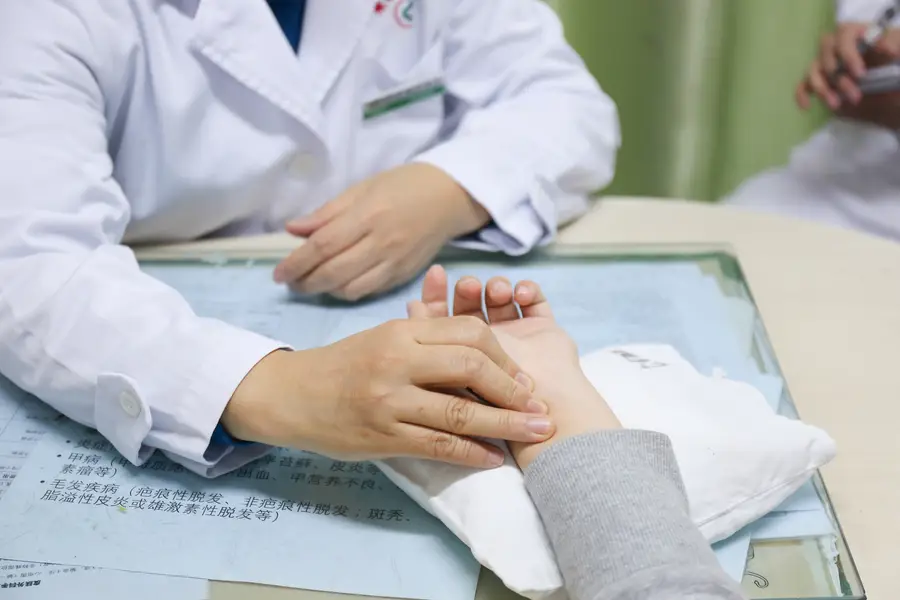
Participants in China’s TCM medical services market include hospitals, outpatient centers, clinics, and other related service providers. Yuyantang primarily operates TCM outpatient centers and clinics, using herbal medicines and non-pharmacological therapies like acupuncture, cupping and therapeutic massage to provide diagnosis and treatment services. It also offers TCM-related pharmaceutical services, such as precise dispensing of herbal medicines and preparation of medicinal decoctions.
The company ranked fifth among all private TCM medical service providers in China last year with 2.3% of the market, according to third-party research in its listing document. It was the leader in the North China region, commanding 7% of the market. It had 59 offline physical institutions by the end of May, including facilities outside its Northeastern China base after moving into East China’s affluent Jiangsu province.
Unlike some companies that use a franchise model, Yuyantang builds and operates all of its centers to ensure uniformity across its clinical protocols, service quality and overall brand standards. Its outpatient centers and clinics typically range from 400 to 800 square meters and are located in high-density communities, allowing for shorter investment payback periods and quicker expansion of its network.
The company’s big money spinner is prescription preparations, which accounted for 92.4% of its revenue in the first five months of 2026. That part of the business generated 169 million yuan ($25 million) during the five-month period, up by a healthy 40% year-over-year.
Prescription preparations include personalized TCM preparations, as well as in-hospital preparations. Personalized TCM preparations cover a highly personalized treatment philosophy of “one prescription per patient,” with the specific combinations of herbs adjusted for each patient’s illness and physical constitution. Consequently, core medicinal ingredients vary in each personalized prescription.
By comparison, in-hospital preparations are standardized pharmaceutical formulations manufactured or prepared in strict accordance with fixed, pre-set formulas explicitly approved by the hospital. That allows them to be repeatedly prescribed to the same patient or applied to other patients suffering from similar medical conditions.
For the five-month period through May, Yuyantang’s average revenue per patient stood at 443 yuan, up 1.1% from 438 yuan at the end of 2025. Over the same period, its gross margin dropped 1 percentage point to 61.6% from 62.6% in 2025. The company’s overall revenue grew 43.1% year-over-year to 183 million yuan during the period, offsetting the slight margin decline, to boost its profit by 41.3% to 24.22 million yuan in the first five months of 2026.
M&A potential
The company and its peers are getting a policy boost from Beijing’s backing for the development of private TCM medical institutions and the broader TCM industry. The central government has rolled out a number of policies involving the area, including a “15th Five-Year Plan for Traditional Chinese Medicine Development,” the “Major Project Implementation Plan for the Revitalization and Development of Traditional Chinese Medicine,” and the “‘Health China 2030’ Plan Outline.”
Supported by such policies, combined with China’s rapidly aging population, the domestic market for TCM prescription preparations hit 63.4 billion yuan in 2025, according to market data in the listing document. The market is forecast to keep growing rapidly as more people seek TCM services for chronic diseases and other conditions, reaching 105.8 billion yuan by 2030.
As one of China’s top five players, Yuyantang is poised to directly benefit from this macroeconomic momentum. However, investors should also note that demand for TCM medical services tends to be cyclical, with visits typically down during the Lunar New Year that falls in January or February. As a result, first-quarter revenues for TCM service providers tend to be slightly lower during that time.
Overall, China’s top five private TCM medical service chains control a combined market share of just 21%, with the leader accounting for 7.9% of that. That reflects the industry’s fragmented landscape, suggesting room for consolidation by major players like Yuyantang by acquiring smaller industry peers.
In terms of peer comparisons, Hong Kong-listed PuraPharm (1498.HK) reported revenue of HK$336 million ($42.8 million) in 2025, but lost HK$35.22 million during the year. By comparison, Yuyantang’s revenue last year reached 400 million yuan, and its profit surged 163% to 67.3 million yuan.
Using PuraPharm’s market capitalization of 150 million yuan as a reference, Yuyantang’s relative pedigree suggests it should be valued more highly by institutional and retail investors alike, likely to attain a valuation of HK$200 million or more.
In summary, Yuyantang looks like a highly competitive company, with a solid financial growth profile and strong base through its chain of self-operated medical facilities offering highly “sticky” chronic disease diagnostic and long-term treatment services. Supported by China’s strategic push to revitalize TCM and the demographics of a rapidly aging population, the company’s decision to pursue a Hong Kong listing looks well timed.
To subscribe to Bamboo Works free weekly newsletter, click here
Related Articles
RELATED ARTICLES
-
Tong Ren Tang Healthcare makes trading debut, backed by 39% annual patient growth
-
JBM Healthcare gets bitter pill from investors on anemic performance
2161.HK
- Gushengtang steps up TCM buying spree, doubling down in Beijing
- Investors flee Yan Palace as aging brand struggles to find new audience
-
Confined to Hong Kong, Lung Fung lacks tonic for growth-hungry investors
2290.HK