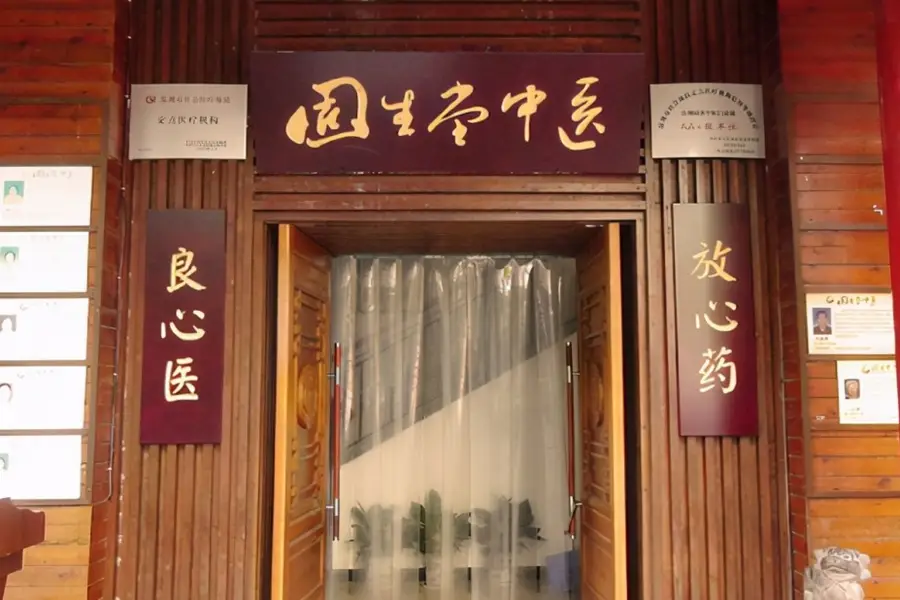
The healthcare company has announced five acquisitions in the past two weeks to shore up growth and fend off competition in the traditional Chinese medicine market
Key Takeaways:
- Gushengtang is buying two more hospitals in Beijing’s Changping district, weeks after closing deals on facilities in Singapore and Tianjin
- The expansionist moves came as rival provider Tong Ren Tang Healthcare made its Hong Kong equity market debut
By Lee Shih Ta
Traditional Chinese medicine is being transformed from a local service into a major commercial enterprise, with the growth of digital platforms, chains of clinics and listed brands.
In this shifting marketplace, companies with more practitioners, licenses and patient volumes are better positioned to turn dispersed TCM demand into repeatable revenue.
And so Gushengtang Holdings Ltd. (2273.HK) is on a buying spree, announcing on July 5 that it was in the process of acquiring two hospitals offering TCM services in a northern district of Beijing. The company said its health management subsidiary had agreed to buy controlling interests in Shahe Hospital and Hongyang Hospital in the capital’s Changping district. Upon completion of the deals, both hospitals will be consolidated as subsidiaries into Gushengtang’saccounts.
It marks a second acquisition statement in as many weeks. On June 23, the company announced the purchase of 100% stakes in Singapore’s Sante Clinics and Sante TCM, as well as a 90% interest in Tianjin Bainian Renyitang, with all three firms also being folded into its accounts. From Singapore to Tianjin and Beijing, Gushengtanghas been rapidly expanding its reach by gobbling up established medical resources.
The company said the newest additions will help to increase its Beijing market share, offering synergies with its existing medical facilities and online healthcare platforms. It did not reveal the amount to be paid, but the outlay appears to be modest, as the size of the deals – whether singly or combined – falls below the threshold required for detailed financial disclosure. The statement did not reveal earnings information for the acquisition targets, nor the number of their beds or doctors.
The deals may be limited in scale, but their location is worth noting, with a focus on northern Beijing, where Gushengtang already owns the Changping Bohua JingKang TCM hospital acquired in 2025. TCM services have a clear service radius, as patients value convenience for follow-up visits, prescription pick-ups and chronic disease management. Consolidating a corporate presence in a single area could boost efficiencies and brand exposure.
Acquisition-led expansion has long been Gushengtang’s main growth engine, with the number of its offline medical institutions rising to 101 last year from 79. Increased consultations, the bigger set of clinics and an expanded medical team have driven turnover, but the momentum looks to be flagging, judging from the latest annual results.
Gushengtang’s revenue rose 7.5% to 3.25 billion yuan ($478 million) in 2025, while adjusted net profit edged up just 0.55% to 403 million yuan. By comparison, the top line grew 30.1% in 2024, while adjusted net profit jumped 31.4%, lifted by the expansion of offline facilities that achieved a 34.5% revenue leap that year. By 2025, growth in offline revenue had slowed to 8.8%.
The quality of the growth has also changed. Customer visits increased to 6.01 million from 5.41 million, but average spending per visit fell to 541 yuan from 559 yuan, while the customer return rate slipped to 66.1% from 67.1%. At the same time, the cost of sales rose 5.9% to 2.24 billion yuan, driven by a 5.6% increase in physician and material costs and a 6.8% rise in recurring expenses linked to physician demand and the expanded network, which diluted the contribution of new revenue to profitability.
For now, Gushengtang is one of the few TCM providers with a Hong Kong stock listing, but its scarcity value is slipping. Tong Ren Tang Healthcare (2667.HK), which listed in Hong Kong this week, lags Gushengtang in scale and profitability, with revenues edging down 0.3% to 1.17 billion yuan last year and net profit falling about 25% to 27.48 million yuan. But it has the benefit of the powerful Tong Ren Tang brand and counts Beijing as an important home market.
Battle for Beijing
In this context, Gushengtang’s latest acquisitions in northern Beijing look to be a tactical move to boost competitiveness after the Tong Ren Tang debut, as it aims to secure local licenses, practitioners and service entry points in the capital.
The M&A flurry has lent some share price support. Gushengtang’s shares had fallen as low as HK$24.32 in late June but jumped more than 20% in the five trading days after the Singapore acquisition was announced. On the day after the news about the Beijing deals, the stock rose another 1.05% in a broadly positive response to the expanding network.
However, sustained gains will depend on whether the newly added facilities can translate into higher profits. Gushengtang still has a first-mover advantage in building a chain-based TCM business, but its ability to integrate resources will be key going forward.
To subscribe to Bamboo Works weekly free newsletter, click here
Related Articles

RELATED ARTICLES
-
Tong Ren Tang Healthcare makes trading debut, backed by 39% annual patient growth
-
JBM Healthcare gets bitter pill from investors on anemic performance
2161.HK
- Good Doctor Cloud Healthcare’s ailing margins belie uninspired new listing
- Yidu Tech swings to profit as AI healthcare edges toward viability