“To out-license drugs is a very handy and clever way for a win-win… but in terms of acquiring the businesses, that’s going to be really tough.” – Bradley Burgess
Key Takeaways:
- Chinese biopharma companies are transitioning from licensing Western medicines to out-licensing their own cutting-edge drugs
- Homegrown sportswear brands are cautiously expanding into Southeast Asia and beyond, though they face stiff competition and geopolitical hurdles
By Doug Young & Bradley Burgess
We’re currently witnessing a fascinating shift in how Chinese enterprises interact with global markets. On one hand, foreign appetite is rapidly growing for cutting-edge medicines developed by Chinese life sciences startups — a stark reversal from the historical trend of Chinese firms solely licensing treatments from the West. At the same time, homegrown Chinese sportswear makers are taking baby steps onto the international stage, aiming to challenge entrenched global athletic giants.
While biopharma and athletic footwear might seem like entirely disconnected industries, they share a common thread: Chinese companies are no longer content to just serve their domestic market, and they’re aggressively testing their ability to compete and do business globally.
We’ll start with a look at the growing demand for advanced medicines developed in China by large foreign drugmakers. This process, known as out-licensing, represents the exact opposite of the older practice where Chinese companies would license drugs from foreign enterprises to sell at home.
In recent headlines, 3SBio (1530.HK) reported that its revenue nearly doubled last year. Most of those gains came from out-licensing payments related to a colorectal cancer treatment being developed with Pfizer (PFE.US). In another similar case, an entity established by Keymed Biosciences (2162.HK) to fast-track an immunotherapy drug was acquired by the U.S. giant Gilead Sciences (GILD.US) in March.
We believe Chinese companies are suddenly capable of producing their own cutting-edge drugs due to a confluence of three major factors. First is industrial policy. Beijing’s approach toward the life sciences is heavily supportive, epitomized by the “Healthy China 2030” initiative. The U.S. could take a page from this playbook to strengthen its own pharmaceutical industrial policy. Second is the rapid pace of innovation. With a streamlined approval process and faster clinical trials, the creation of these drugs happens much quicker in China than in the U.S. Finally, there’s the brain trust of returning experts. These individuals acquired significant industry knowledge working at top multinationals in the U.S. and have now returned home with the dream of making it big in their native country.
However, these out-licensing deals can be a double-edged sword. Much of the money earned comes in the form of one-time, non-recurring payments. A company might post huge income in one quarter, only to see it drop back to zero the next, largely because they’re surrendering the rights to sell these drugs outside of China. Some might wonder why these startups don’t commercialize the drugs overseas themselves. At present, they lack the commercial infrastructure, capital, and global network required. By out-licensing, they can focus entirely on innovating while tapping into the vastly superior business networks of multinationals.
While out-licensing remains a handy and smart win-win, outright acquisitions by foreign multinationals — like the Gilead purchase — will likely be heavily constrained by geopolitics. Covid was a wake-up call for the U.S. government, triggering “Operation Warp Speed” to develop a vaccine, with the sudden realization regarding domestic manufacturing vulnerabilities. Intellectual property and anything cutting-edge or proprietary consistently set off alarm bells these days. Politics will undoubtedly get in the way of sweeping foreign acquisitions, even if the market logic makes perfect sense.
Racing into Southeast Asia
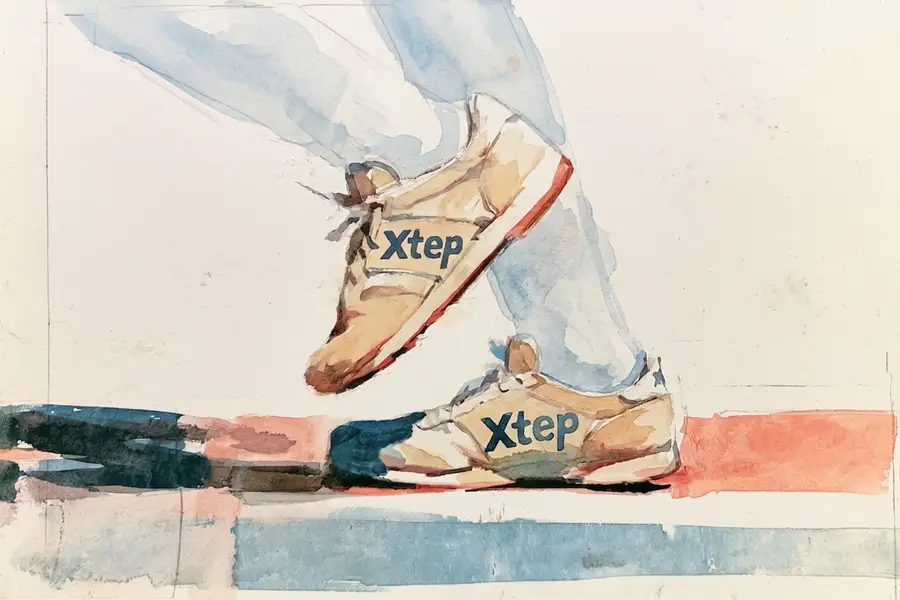
Moving from the laboratory to the running track, we’re seeing similar global ambitions from Chinese consumer brands. Xtep (1368.HK) is one of several homegrown sportswear makers expanding abroad to challenge industry behemoths like Nike (NKE.US), Adidas (ADSGn.DE) and Reebok. Xtep recently announced its entry into Malaysia, a top Southeast Asian market, with the opening of six stores. The company aims to boost its overseas revenue by 50% or more in each of the next three years.
Why are so many Chinese consumer companies targeting Southeast Asia first? We think it boils down to three simple points. First is the diaspora — culturally, Chinese companies feel most at home in the region. Second is geographic proximity. Third is market opportunity, as many claim the current stage of Southeast Asia mirrors China 10 years ago. Exposure to Chinese brands and thinking is simply much higher in that part of the world than in the West.
Yet, familiarity can also breed contempt. Consumers in Southeast Asian markets can occasionally be very anti-China due to political flare-ups, as seen in countries like Vietnam and the Philippines. Trust is also a major hurdle. Global legacy brands have built immense trust over decades and sponsor universally known athletes.
To win over agnostic and price-sensitive consumers, Chinese brands must demonstrate consistent quality and value. There are some cases where local companies are successfully leveraging Western names to build this trust. For example, Xtep owns the licensing rights in China to the popular Saucony running shoe brand. The Saucony stores opening in Shanghai are incredibly well-done, sometimes visually surpassing their U.S. counterparts, which effectively proves their quality on the ground. Similarly, Anta (2020.HK) owns Fila in China and has acquired Amer Sports (AS.US), which owns the premium Arc’teryx as well as the Wilson tennis brand.
Conversely, companies like Li Ning (2331.HK) might struggle globally because their brand is too heavily linked to China. While a hyper-nationalistic strategy plays well with domestic consumers, it doesn’t translate outside of the country. For a company to truly go global, it needs to decouple from that hyper-nationalism. Ultimately, while geopolitical friction remains, both the biotech and athletic sectors show that China’s ambitious shift to the global stage is well underway.
About China Inc
China Inc by Bamboo Works discusses the latest developments on Chinese companies listed in Hong Kong and the United States to drive informed decision-making for investors and others interested in this dynamic group of companies.
Subscribe to China Inc on your favorite app:


Related Articles