CSPC Innovation pursues Hong Kong IPO as parent profits shrink
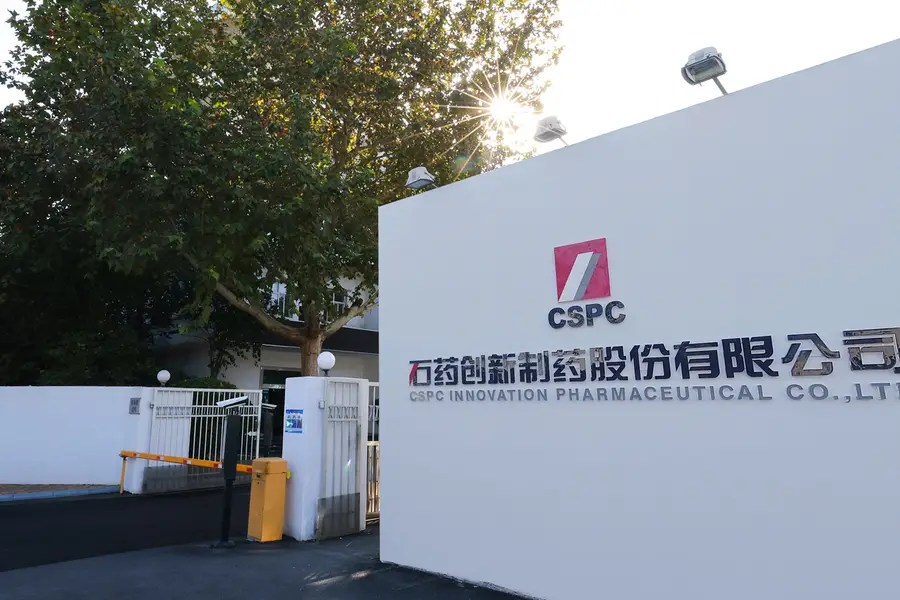
The producer of food additives and pharmaceutical ingredients is aiming to raise fresh capital to support its drive to become a developer of innovative drugs
Key takeaways:
- R&D costs have been soaring since the firm bought a controlling stake in drug developer Megalith Biopharmaceutical, reaching nearly 50% of revenue in 2025
- Meanwhile, profit pressures at the CSPC parent have capped the amount available to support drug research at group companies
By Molly Wen
As China reins in health insurance costs and drives a hard bargain on medical procurement, companies that once relied on generic drugs or active ingredients for their income are having to rethink their business model.
One such shapeshifter is a company in the CSPC Pharmaceutical Group (1093.HK) that has moved from making dietary additives into developing cancer-targeting smart drugs. Underlining the change, Shenzhen-listed CSPC Innovation Pharmaceutical Co. Ltd. (300765.SZ) changed its short stock name from “Xin Nuo Wei” to “CSPC Innovation” on June 17. The following day the firm refiled an application to list on the main board of the Hong Kong Stock Exchange, just a week after an earlier submission had lapsed, with CITIC Securities as sole sponsor.
CSPC Innovation’s core business has long been the production of chemically synthesized caffeine, which is used in energy drinks, dietary supplements and pain relief tablets. The company has ranked as the world’s biggest producer of the additive for six consecutive years and held a 50.7% market share in China in 2025, according to research cited in the prospectus.
But this mainstay business is becoming less profitable. Data in the listing paperwork shows that the average selling price of the product fell from 93 yuan ($14) per kilogram in 2023 to 64.8 yuan per kilogram in 2025, sending operating profit from caffeine products tumbling from 622 million yuan to 269 million yuan. As a result, the functional ingredients and nutritional products segment, which includes caffeine products, saw its gross margin fall from 45.6% in 2023 to 38.2% in 2025.
Earnings have had a rough ride in recent years. From 2023 to 2025, annual revenue came in at 2.54 billion yuan, 1.98 billion yuan and 2.16 billion yuan. The bottom line swung from the black to the red, with a profit of 126 million yuan in 2023, followed by losses of 304 million yuan and 634 million yuan amid mounting research spending. CSPC Innovation’s R&D expenses ballooned from 671 million yuan to 842 million yuan and 1.06 billion yuan over the three years, reaching 49.2% of total revenue in 2025.
The jump in R&D spending was closely linked to the company’s 2024 acquisition of a controlling stake in Megalith Biopharmaceutical, the CSPC group’s platform for three types of frontier therapies: antibody drugs, antibody-drug conjugates (ADCs), which combine immuno- and chemotherapy, and mRNA vaccines.
CSPC Innovation shifted from being primarily a provider of active pharmaceutical ingredients (APIs) to a dual business combining established and innovative drug operations. The company currently has more than 15 drug candidates in clinical or later stages of development, including nine ADC products and one mRNA vaccine.
In January 2026, Megalith Biopharmaceutical, CSPC Group and related companies sealed a strategic collaboration deal with multinational drugmaker AstraZeneca. They granted AstraZeneca the rights to develop and commercialize a portfolio of once-monthly injectable drugs for weight management outside Greater China and agreed to collaborate on four new programs.
The deal gives the Chinese group up to $1.2 billion in upfront fees and as much as $17.3 billion in milestone payments. The $420 million upfront payment to Megalith Biopharmaceutical, received in May 2026, served as a vote of confidence in CSPC Innovation’s portfolio of novel drugs.
But the heavy investment in R&D via Megalith are also rapidly consuming CSPC Innovation’s cash flow. Cash and cash equivalents plunged from 3.77 billion yuan at the end of 2023 to 718 million yuan at the end of April 2026. Excluding the big upfront payment from AstraZeneca, its current cash reserves would only be enough to support operations for the next 17 months.
Meanwhile, earnings at parent company CSPC Group are also under pressure. As the Chinese authorities double down on bulk procurement and tighten cost controls on medical insurance, drug makers are grappling with price competition. The group’s revenue fell 10.4% in 2025 and net profit declined for a third straight year to 3.88 billion yuan. Revenue from its core finished-drug segment dropped 13.3%, while income from its oncology business nearly halved. The downturn is also limiting the parent company’s capacity to fund the group’s work on innovative drugs, making it increasingly important for CSPC Innovation to gain direct access to capital markets.
CSPC Innovation said it plans to allocate approximately 60% of the listing proceeds to the clinical development of its core pipeline, with a particular focus on Phase Three trials for ADC candidates such as SYS6010, which targets advanced solid tumors. About 20% will be used to expand its commercialization team to around 180 employees, covering around 200 key hospitals across China. Another 15% will be earmarked to acquire complementary assets or technology platforms, targeting areas such as dual-target ADCs, dual-payload ADCs and mRNA delivery systems.
Aside from raising capital, the company may also want investors to re-rate its business as belonging to a higher value sector. In the mainland Chinese market, it has long been viewed primarily as a producer of APIs and health supplements, trading at a price-to-book ratio of about 13 times. By comparison, RemeGen (9995.HK), which also focuses on ADCs, trades at a price-to-book ratio of around 50 times in Hong Kong. Helped by Hong Kong’s easier access for pre-profit biotechs, as well as strong investor appetite for ADC developers, CSPC Innovation could potentially secure a higher premium.
However, the company remains highly dependent on volatile licensing income, while its ADC products face intensifying competition from similar products. Ultimately, its value will be determined by progress in developing and launching drugs in its core pipeline.
To subscribe to Bamboo Works free weekly newsletter, click here
Related Articles