Hong Kong to welcome world-leading siRNA company as Ribo launches its IPO
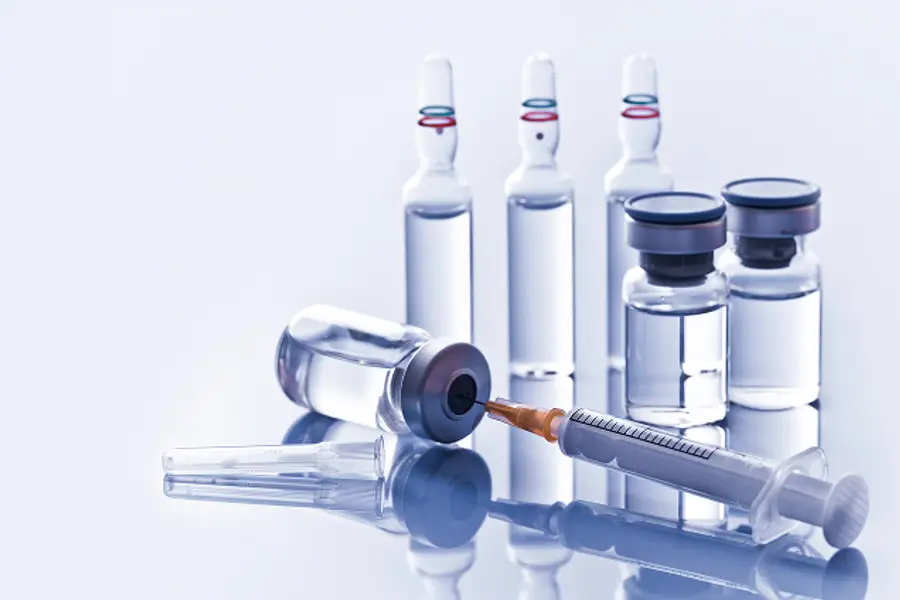
The small nucleic acid drugs developer has positioned itself as a leader in siRNA therapeutics, boasting one of the world’s largest pipelines of drugs using the technology
Key Takeaways:
- Ribo has launched its Hong Kong IPO, boasting the world’s first siRNA drug targeting thrombotic diseases as one of its core products
- Its model of “China discovery and development + European clinical development and registration” lays a foundation for synchronous drug development in China and Europe
By Molly Wen
Ribonucleic acid, or RNA, has emerged as a hot new field after mRNA and miRNA discoveries won Nobel Prizes in 2023 and 2024, respectively, drawing attention to its scientific value and industrial potential. In the medical field, RNA-based small nucleic acid drugs, by virtue of their broad target selection scope, higher clinical success rates, and durable effects, are poised to become leaders driving a third wave of highly targeted new drugs, following small-molecule drugs and antibody therapeutics. Against that backdrop, international investors will soon have a chance to buy into China’s leading company within the small nucleic acid drugs sector.
Suzhou Ribo Life Science Co. Ltd., with 18 years of experience in small nucleic acid drugs, is launching its IPO in Hong Kong, positioning itself as a world leading player focused on small interfering RNA therapeutics, or siRNA.
After passing its listing hearing last month, the company officially launched its Hong Kong IPO on Dec. 31, aiming to raise about HK$1.59 billion ($205 million) by selling 27.5 million shares for HK$57.97 each. Heavyweight underwriters CICC and Citigroup are joint sponsors, signaling strong interest from both domestic Chinese and international investors.
A subscription period for the shares will run through Jan. 6 with a trading debut scheduled for Jan 9.
Founded in 2007, Ribo has long focused on small nucleic acid drug development, especially for siRNA therapeutics, giving it one of the world’s largest siRNA drug pipelines. The company currently has seven self-developed drug assets in the clinical trial stages, targeting seven indications across cardiovascular, metabolic, kidney and liver diseases. Among these, four are in Phase Two clinical trials, with more than 20 preclinical projects in its pipeline.
First siRNA drug for thrombotic diseases
Among its assets, one of the most advanced is RBD4059, Ribo’s core product, which is the world’s first siRNA drug for treating thrombotic diseases and is also one of the most advanced siRNA therapeutics globally. Patient enrollment for the drug’s Phase 2a clinical trial has been completed, and Phase 2b trials are expected to commence in 2026 to explore the potential for additional indications. Current anticoagulant therapies for thrombosis carry significant risks of severe bleeding in patients. RBD4059 reduces this risk, achieving long-acting anticoagulation by targeting coagulation Factor XI (FXI). By combining the advantages of FXI targeting with siRNA drug technology, the drug also maintains potent efficacy while demonstrating a markedly improved safety profile.
Notably, just in November, global pharma giant Bayer (BAYN.DE) announced Phase Three clinical results for its own FXIa inhibitor, the oral drug Asundexian. Its data showed a significant reduction in the risk of recurrent ischemic stroke without increasing the risk of major bleeding. That outcome validates both the clinical viability and safety profile of the FXI target, providing companies like Ribo, which are developing therapies based on the same mechanism and with an apparently more favorable siRNA-specific drug profile, with a clear clinical and commercial pathway forward.
Another Ribo core product, RBD5044, is the world’s second APOC3-targeting siRNA drug to enter clinical development, also displaying “best-in-class” potential for treatment of hypertriglyceridemia (HTG).
In November, the U.S. Food and Drug Administration (FDA) approved Plozasiran, another siRNA drug targeting the same APOC3 pathway developed by U.S.-based Arrowhead Pharmaceuticals (ARWR.US), for treatment of familial chylomicronemia syndrome (FCS), a rare condition characterized by recurrent pancreatitis. Phase Three data showed APOC3 could reduce triglyceride levels by up to 80% with a dosing frequency of just once every three months. Such strong results not only validate the clinical value of the APOC3 target but also underscore the long-acting advantage of siRNA therapeutics in managing chronic diseases.
Ribo’s RBD5044 is now in Phase Two clinical trials, with the drug targeting a lipid-lowering drug market worth more than an estimated $10 billion.
Sino-European internationalization strategy
In addition to its Chinese R&D and manufacturing centers in Beijing and Suzhou, Ribo also set up a subsidiary, Ribocure AB, in Sweden in 2022 to engage in research activities. That move gives the company an international clinical trial base in Sweden, at the heart of the lucrative European drug market.
The Ribocure Clinic in the city of Mölndal is focused on Phase Two clinical trials in cardiovascular, liver, pulmonary, renal, and other disease areas. Ribocure AB currently manages all of Ribo’s clinical research in Europe, with the capacity to enroll over 100 patients. This model of “China discovery and development + Europe clinical development and registration” lays the foundation for future simultaneous approval and commercialization of the company’s products in major global markets including China and Europe.
Ribo is also among a small group of global companies possessing self-developed and clinically validated GalNAc delivery technology, which uses N-Acetylgalactosamine, a sugar molecule often employed as a “guided warhead” for liver-targeted delivery in siRNA therapeutics. Its full-technology-chain capabilities in small nucleic acid drug development have also gained recognition from industry peers both domestically and internationally.
In December 2023, Ribo entered into a collaboration with Qilu Pharmaceutical, granting it rights to develop, manufacture, and commercialize its RBD7022 high cholesterol drug in Mainland China, Hong Kong and Macao. That same month, it signed an agreement with Germany’s Boehringer Ingelheim to co-develop innovative small nucleic acid therapies to treat NASH/MASH liver disease, in a collaboration that could be worth up to $2 billion.
By June 2025, Ribo had completed nine funding rounds, with investors including prominent institutions such as SDICFund, Legend Star, Panlin Qianyuan, CICC Capital and Hillhouse Capital. The company’s valuation reached 5.02 billion yuan ($715 million) following its latest funding round in June 2025, reflecting its strong potential.
Ribo’s revenue has also grown steadily as it signs collaboration agreements concurrent with clinical advances for its products. The figure rose from nearly nil in 2023 to 143 million yuan in 2024 and 104 million yuan in the first half of 2025. The company’s loss in the first half of 2025 narrowed to 97.8 million yuan from 142 million yuan in the year-ago period.
As the global small nucleic acid drug market continues to experience strong growth, Ribo, with its full-technology-chain platform and extensive product pipeline, looks poised to secure a leading position in this greenfield market. That could warrant attention from long-term investors looking for a slice of the growing global market for a new generation of highly targeted cutting-edge drugs.
The Bamboo Works offers a wide-ranging mix of coverage on U.S.- and Hong Kong-listed Chinese companies, including some sponsored content. For additional queries, including questions on individual articles, please contact us by clicking here
To subscribe to Bamboo Works free weekly newsletter, click here
Related Articles
RELATED ARTICLES
-
BRIEF: Leading RNA drug developer Ribo passes Hong Kong listing hearing, kicking off IPO

- Armed with AstraZeneca deal, Eccogene files for Hong Kong IPO
- Obesity drug maker Sciwind targets IPO, with heavyweight backers
- Ming Yu seeks a share of the drug sector limelight
-
Precision cancer drugs show promise for Kelun-Biotech
6990.HK
- Genuine Biotech takes third shot at IPO as financial pressures mount
-
Hengrui Pharma targets obesity drug launch after test success
1278.HK600276.SHG