Lagging in the weight-loss market? Take Fosun’s GLP-1 pill
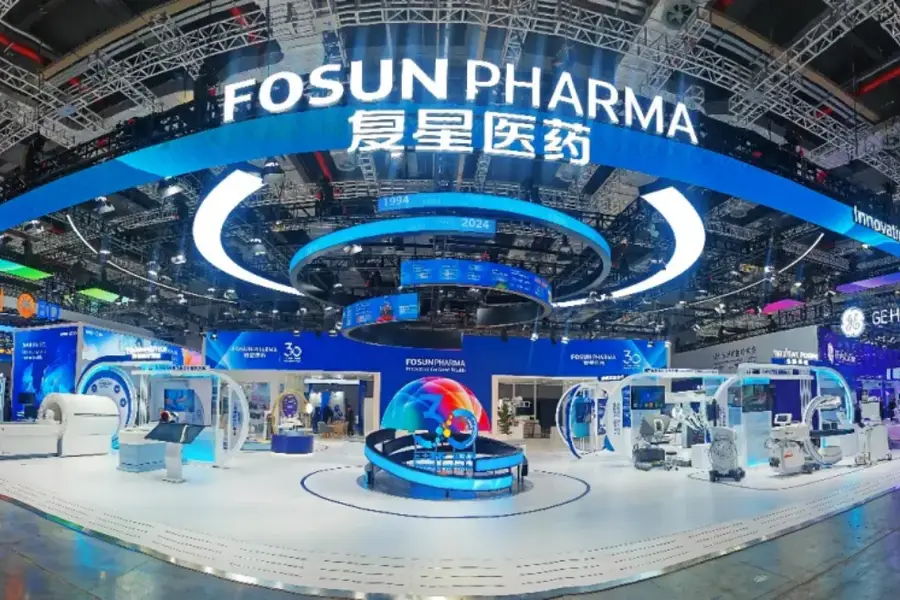
Playing catch-up in the anti-obesity business, Pfizer has bought global rights to an oral weight-loss drug from Fosun Pharma in another big licensing deal
Key Takeaways:
- With the drug still at an early stage of development, Pfizer has negotiated an opt-out clause in case trials do not go to plan
- Fosun Pharma’s revenues from innovative drugs jumped 18.09% in the first three quarters, emerging as a growth driver for the company
By Molly Wen
It’s becoming a familiar story: the Chinese drugs industry has signed another licensing deal with Big Pharma to fast track a weight-loss treatment.
This time the partners are a subsidiary of Shanghai Fosun Pharmaceutical (Group) Co. Ltd. (2196.HK; 600196.SH), which has developed an experimental anti-obesity pill, and the drugs giant Pfizer Inc. (PFE.US), which is looking to close the gap on its rivals in the booming weight management market.
Potentially worth more than $2 billion, the collaboration underscores how new medications developed in China are attracting multinational interest, especially the GLP-1 drugs that regulate blood sugar and help to control appetite.
Over the last few years, Hansoh Pharma has sold the rights to an oral GLP-1 drug to Merck, while Eccogene made a licensing deal with AstraZeneca for an early-stage clinical asset in the same category.
Fosun is joining the fray through its subsidiary Yao Pharma, which has granted Pfizer an exclusive worldwide license to develop, manufacture and commercialize the oral small-molecule GLP-1 receptor agonist YP05002, as well as any products containing the active ingredient, according to a statement released on Dec. 9.
Under the deal, Yao Pharma gets $150 million upfront and is eligible for further sums of up to $350 million tied to clinical and commercial progress, as well as sales-related milestone payments that could amount to $1.59 billion, implying a maximum potential deal value of around $2.09 billion.
The candidate drug in question, YP05002, was independently developed by Yao Pharma to control insulin and glucagon secretion, slowing digestion and suppressing hunger. As well as obesity, the drug targets conditions such as Type 2 diabetes and the fatty liver disease metabolic dysfunction-associated steatohepatitis (MASH).
Notably, work on the drug remains at an early stage, as it undergoes Phase One trials in Australia. As early trials carry a high failure rate, and later tests can turn up safety or efficacy issues, Pfizer has included a get-out clause allowing it to cancel the contract with 60 days’ written notice.
Pfizer plays catch-up
GLP-1 therapies have quickly become a hot spot for global pharma. In the first three quarters of 2025, Novo Nordisk’s semaglutide generated $25.46 billion in sales, a 24% year-on-year jump. Sales of Eli Lilly’s tirzepatide more than doubled over the same period to $24.84 billion, accounting for 49% of total revenue and making it one of the world’s top-selling drugs.
GLP-1 pills offer obvious advantages over injectable forms. But existing oral versions still have drawbacks such as low absorption rates and the need to be taken on an empty stomach. If small-molecule oral weight-loss drugs such as Fosun Pharma’s YP05002 can be successfully developed, they could be more convenient for patients and more likely to be taken on a consistent basis.
The stakes could be high for Pfizer. Buoyed by income from Covid vaccines, the company surged to the top of the global pharma rankings in 2022 with revenue exceeding $100 billion, but it has trailed behind in the GLP-1 race, after two of its drug candidates were discontinued due to adverse effects. With patents on several blockbuster products set to expire over the next three years, Pfizer has increasingly turned to M&A and licensing transactions since the second half of 2024 to bolster its drug pipeline.
These include a deal worth up to $6 billion to secure an experimental cancer drug – a PD-1/VEGF bispecific antibody – from China’s 3SBio, and the $10 billion acquisition of the U.S. biopharma firm Metsera to obtain weight-loss assets. The collaboration with Fosun Pharma is another step to close the GLP-1 market gap.
A long-standing presence in China’s drugs industry, Fosun Pharma has been shifting its focus from established medications to next-generation products.
In the first three quarters of 2025, it delivered what appeared to be a contradictory set of results. Operating revenue fell 4.91% to 29.39 billion yuan ($4.17 billion), while net profit surged 25.5%, boosted by the disposal of subsidiaries and other non-core assets. Fosun Pharma attributed the revenue dip to price pressure from China’s centralized drug procurement. In response, it has been allocating more resources to R&D for new drugs, which have become a key growth engine. Revenue from this segment rose 18.09% to more than 6.7 billion yuan in the first three quarters.
The Pfizer link-up provides an immediate cash infusion for Fosun Pharma and could also raise the brand’s profile in global markets. Chairman Chen Yuqing described the partnership as another important milestone in the company’s innovation and internationalization strategy.
Fosun Pharma trades at a price-to-earnings ratio of around 17 times and potentially has room to raise its multiple, when compared with about 59 times for Hengrui Pharma (1276.HK; 600276.SH), another established Chinese drugmaker pivoting toward innovative medicines. Investors are likely to keep a close watch on Fosun Pharma’s trajectory, as it continues to divest non-core assets and channel resources into innovative drugs.
To subscribe to Bamboo Works weekly free newsletter, click here
Related Articles